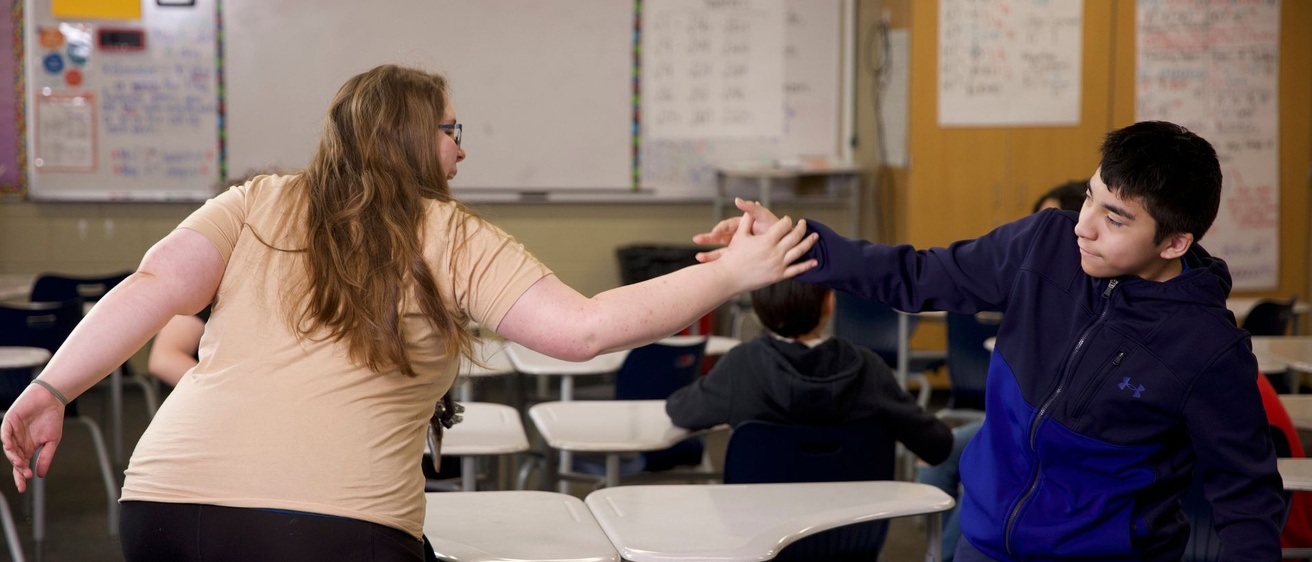
A Year of Intentional Impact
Housed in the University of Iowa's College of Education, the Scanlan Center for School Mental Health was born in June 2021. Over the past four and a half years, our team has been committed to making mental health accessible to everyone in our educational communities. Mental and emotional well-being are essential for learning and growth, and students, educators, staff, and faculty deserve to learn and work in places that prioritize it. We help schools and campuses create these spaces.
The following activities and moments represent the center's work from January 1 – December 31, 2025.
Looking for a PDF version of the report?
This annual report illustrates a shift in thinking, a future built on intention and sustained by engagement. The annual reporting period reflects the start of our center’s transition from a free service model (thanks to a previous grant) to a fee-for-service model. These past 12 months have been a reset and a reimagining of what we could do and the lives we could change.
As such, we expanded our clinical services by adding specialty evaluations and extended child psychiatry services statewide in Iowa. Additionally, we opened referrals to a new audience, K-12 parents/caregivers.
Professional development was a priority for K-12 schools and college campuses, but not in the same models as before. Instead of in-person multi-day conferences, we heard the call for customized professional development that meets unique community needs. Therefore, we launched a menu of flexible, targeted professional learning offerings and partnered with schools and campuses to co-create meaningful training. Overall, this year was more intentional—depth over breadth—prioritizing tailored, engaging experiences to ensure even greater impact.
I hope you will enjoy this snapshot of the past year. More importantly, I hope you will join us in supporting our continued work to intentionally elevate mental health and well-being in Iowa’s schools and campuses.


Allison Bruhn, PhD
A Mission Made for the Moment
At the Scanlan Center for School Mental Health, we aim to positively impact school mental health and well-being across Iowa and beyond through a combination of research, training, professional development, and clinical services.
41.5 %
January 1 - December 31, 2025
1,709
January 1 - December 31, 2025
4,049
January 1 - December 31, 2025
1073
January 1 -December 31, 2025
93
January 1 - December 31, 2025
15
January 1 - December 31, 2025

Increasing Access to Mental Health Services: Our Clinic
Our clinic intentionally strengthened its capacity to serve Iowa’s K-12 school communities over the past year. In addition to individual counseling services, offered in person or virtually, we expanded our child psychiatry services to all 99 Iowa counties and added new group counseling offerings, including a Teen Distress Tolerance Skills Group.
Two new evaluations also provide more specialized support: eating disorder services and Intellectual Disability evaluations. They have already helped 15 K-12 students since launching in May 2025.
At the close of 2025, the clinic also announced expanded individual and group counseling, as well as eating disorder services, for Iowa’s K-12 parents/caregivers—knowing the importance of families in the continuum of mental health and well-being.
Learning and Leading: K-12 Professional Development
As Iowa’s K-12 school priorities evolved, so did we. Over the past year, we made a conscious decision to shift resources from a multi-day in-person conference to professional development opportunities that met schools and educators where they were. This meant three tiers of learning: free webinars and workshops, online capacity-building modules, and partnering with schools and organizations to create customized training that advances the social-emotional-behavioral health needs of their individual community.
Advanced Tier 2 Training was one example of professional development—an immersive two-day, in-person workshop for Tier 2 teams, where our own Dr. Allison Bruhn and Dr. Sara McDaniel (University of Alabama) led teams through a clear, research-based process for identifying students needing targeted support, matching interventions, using data to guide decisions, and evaluating Tier 2 effectiveness. Moreover, this training included monthly coaching sessions throughout the year to support the rollout and sustain momentum.
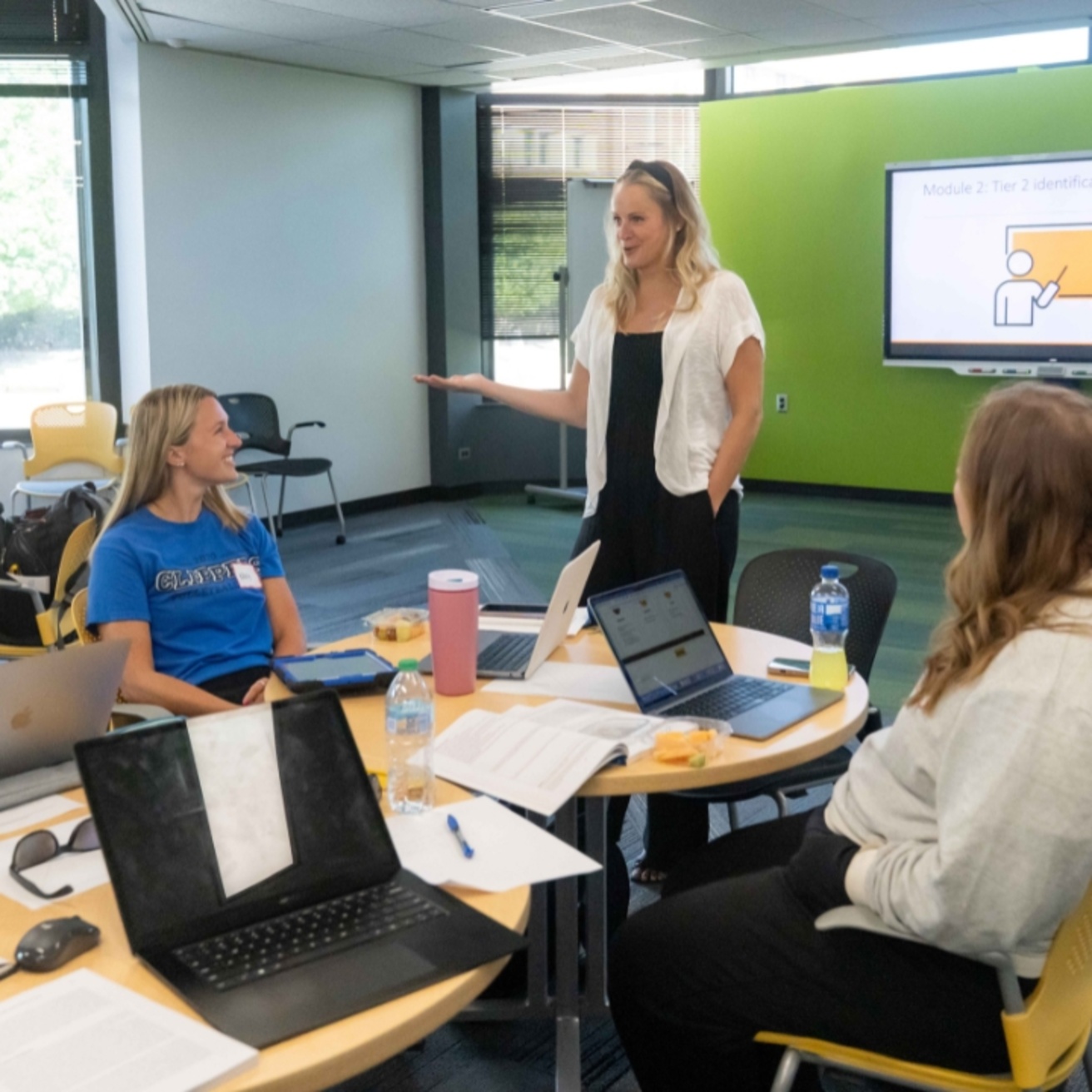
"It only took me 90 minutes into the training to be fully bought in. What I loved about the training was that it was tangible and practical. So many trainings I have been to, lectured on theory, theory, theory. And it's like, you don't need to convince me that we need to support specific student needs. Give me something I can bring back into practice. This training did just that, with expert facilitators, moldable templates, and ongoing support throughout the year."
Want to know how East Ridge Elementary School translated Advanced Tier 2 Training into positive outcomes in student behavior, staff morale, and school culture?

Purposeful PD for Campuses
We equip campus professionals with the skills and confidence to respond when it matters most. One of our most popular offerings, Managing Students in Distress, led by Dr. Barry Schreier, is designed to meet diverse needs through three formats: a four-part Master Class series, a comprehensive 8-hour session, and a 75-minute workshop.
Consistently rated as one of the most valuable professional learning experiences by participants, the training provides practical, evidence-informed strategies to help faculty and staff recognize signs of distress, assess student needs, and respond with clarity, confidence, and care. Since 2022, more than 13,000 campus professionals have participated in training sessions, reflecting both the demand for and the impact of intentional, skill-building opportunities.
"Student needs continue to outpace my skill level. This set of sessions really leveled up my skills, and I feel much more prepared to support students." - Master Class Participant
Research That Resonates
MoBeGo Study
In a recent federally funded pilot study led by Dr. Allison Bruhn, the research team tested a new digital app, MoBeGo, designed to help students stay engaged during class and manage disruptive behavior. The students in the study used simple tools like goal-setting, progress monitoring, feedback, and positive reinforcement built into the app.
Results were promising. For example, one fourth-grade student spent an additional 22 minutes per hour on academic work after using the app. His teachers also observed greater kindness and cooperation, along with reduced hyperactivity and disruptive behavior. This year, the research team is expanding the study to Iowa and Tennessee to better understand how the app benefits students.

Shaping the Workforce
Training students and preparing the school mental health workforce strengthens the continuum of care. This year, we featured a story about Kaitlin Poock, who started as a practicum student in our clinic and is now a full-time social worker. Read about how her journey embodies the power of investing in tomorrow’s leaders in school mental health.
Two University of Iowa College of Education doctoral students, Kun Wang and Monee Turner, also completed their assistantships in May 2025. These students not only worked on campus well-being research but also delivered workshops and developed content for the higher education arm. Both left reaffirmed that mental health is the career field they belong in.
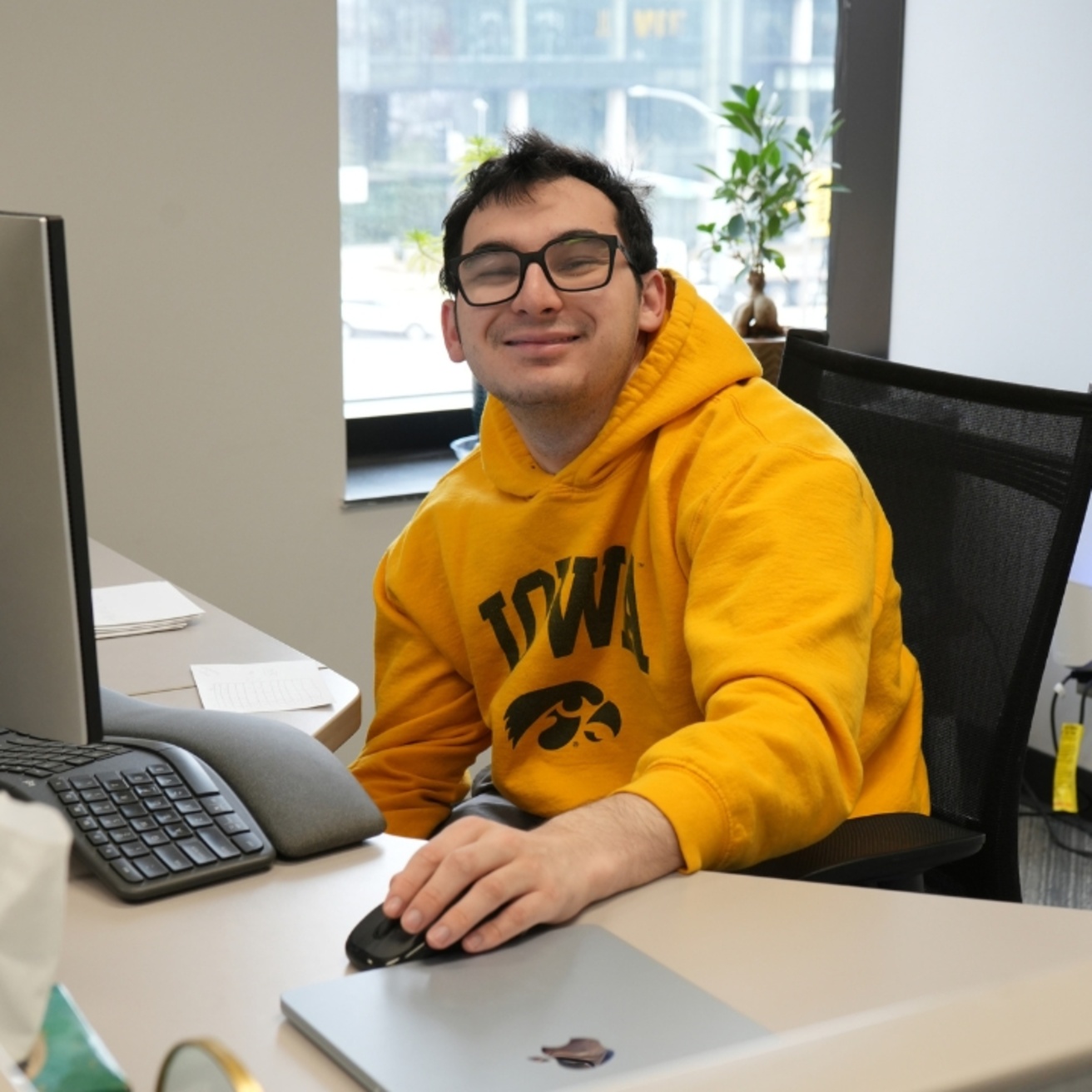
One of the most rewarding workforce-building collaborations is with the University of Iowa REACH program, where our administrative assistant, Deb Kakavas, mentors and coaches interns with developmental disabilities, preparing them for full-time employment after graduation. During this past year, our center was lucky to work with both Charlie and Jacob.
"I really like working at the Scanlan Center office. I've learned how to work as a team. My favorite task was working on projects for a professor." - Jacob Donahue, UI Reach Intern
From Awareness to Action
Intentional awareness-building is foundational to our mission. By increasing understanding of mental health and well-being across K–12 and higher education, we help create the conditions for informed, meaningful action.
Recognition is one key strategy. The Iowa School Mental Health Hero of the Month program recognizes those shaping supportive K-12 school environments, with four honorees named since September 2025. At the University of Iowa, the Mental Health Champion Award honors students, faculty, and staff making sustained contributions to campus well-being, with four individuals recognized in May 2025.
Our message is also amplified through purposeful campaigns. The Nurturing Healthy Minds PSA series—recognized with a 2025 Upper Midwest Emmy nomination—equips parents and caregivers with clear guidance on distinguishing stress, distress, and crisis.
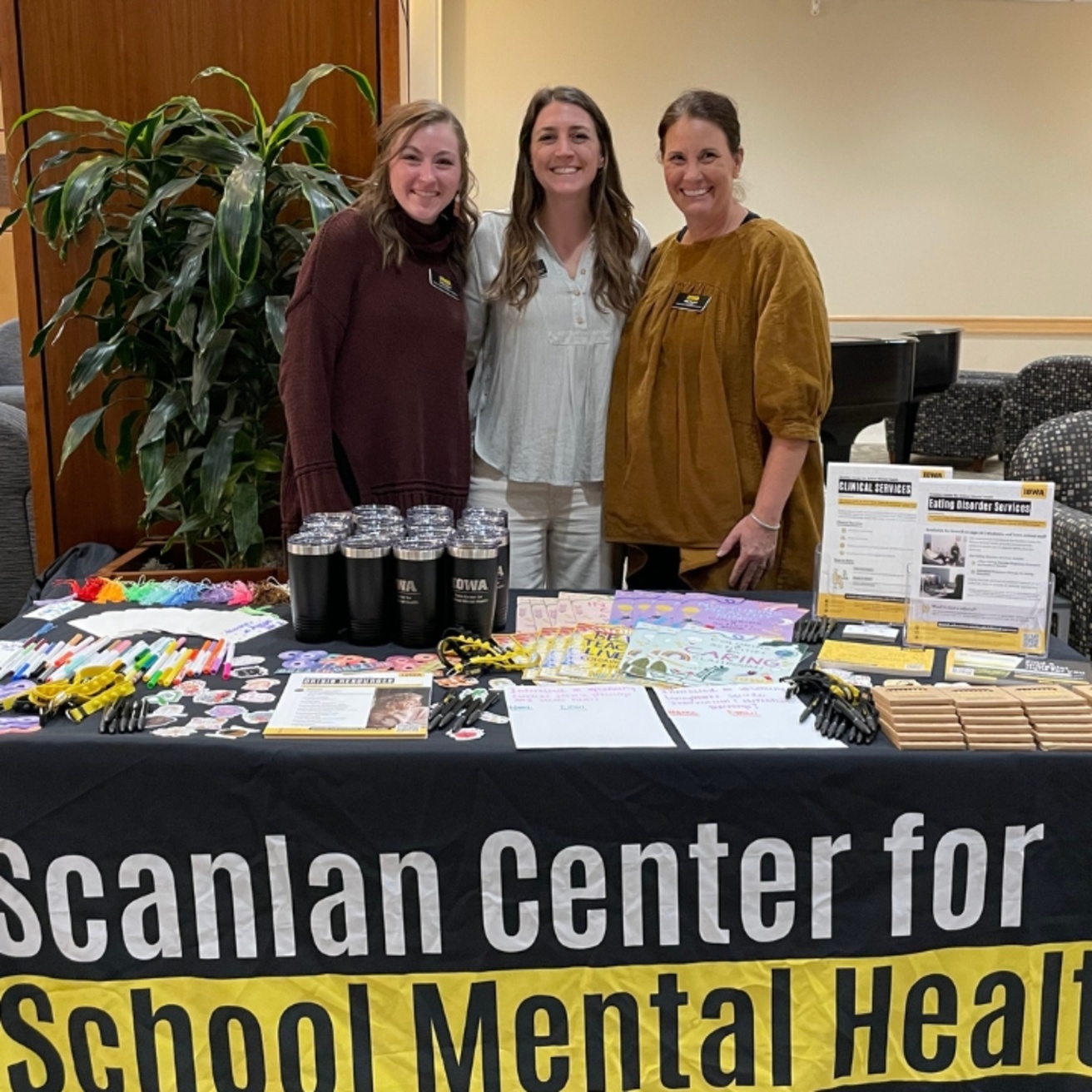
Finally, we bring awareness directly to communities. In 2025, our team participated in more than 75 outreach events, reaching over 5,000 people and expanding visibility of mental health resources and supports.
Resources for All
Intentional design drives how we equip K–12 school staff and campus faculty to grow their knowledge and skills. We recognize the demands on their time, which is why we prioritize creating accessible, digestible, and easy-to-apply mental health and well-being resources. Here are a few of the most impactful resources from this past year.

Mindfulness Activities and Coloring Pages
This year, we collaborated again with local artist Mackinzie Rekkers to co-create coloring and activity pages for use in the classroom or at home. These pages—free to download—encourage self-reflection, mindfulness, and meaningful conversations. This is the most visited page on our website!

Suicide Prevention Web Page
To close out National Suicide Prevention Month, we launched a compilation of suicide prevention trainings, professional development, group counseling offerings, guides, tools, clinical services, and Iowa-based resources to make it easy to find information that meets people where they are.

Educator Wellness Podcast
In April 2025, Dr. Kari Vogelgesang wrapped up three seasons of the Educator Wellness Podcast. With 25 episodes and more than 3,000 downloads, the podcast served as a space for K-12 educators to share strategies for translating wellness practices into their classrooms or schools.

Practice Briefs
In December 2025, we completed 25 practice briefs and school mental health guides by nationally recognized experts, a significant step in our commitment to intentional impact. Through the Practice Briefs on School Mental Health project, we translated the latest research into free, concise, and actionable resources designed for K–12 educators and school mental health professionals. With more than 9,500 downloads, these briefs are helping bridge the gap between research and practice.
Top 3 Most Accessed Practice Briefs
- Twice Exceptional Learners by Megan Foley-Nicpon, Ph.D.
- The Role of Family-School Partnerships in School Mental Health by Andy Garbacz, Ph.D.
- Assessing Externalizing Behaviors in School-Aged Children: Implications for School and Community Providers by Isaac T. Petersen, Ph.D.

K-12 School Mental Health Blog
Educators, parents, and school leaders crave practical information that is easy to integrate into their classrooms, schools, or homes. Through this blog, we disseminate comprehensive yet quick-hit tips to enhance school mental health and well-being.
Top 3 Most Read Blogs
Snackable Skills Videos
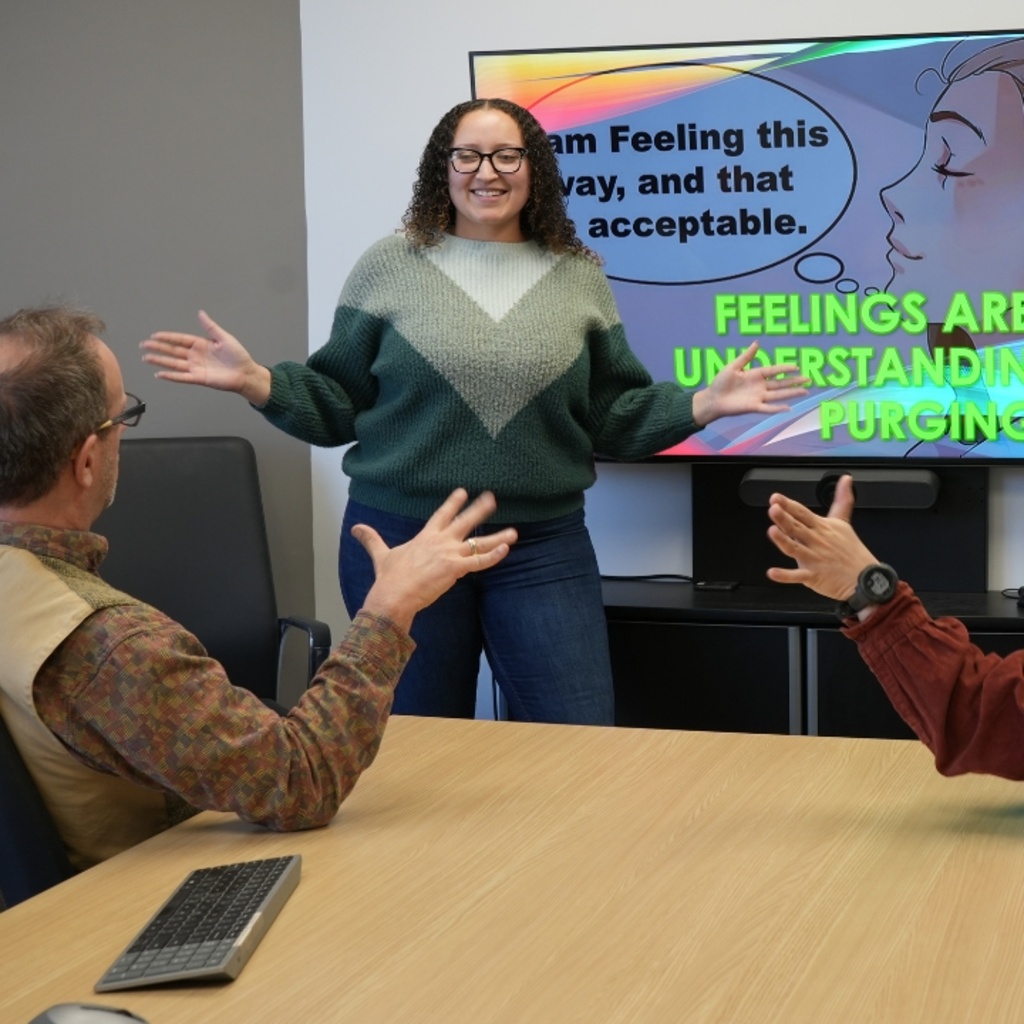
Need a quick tip to better support students? Our higher-education team created 60-second skill-building videos. These empowered faculty, staff, and educators to boost their mental health and well-being know-how with simple strategies for active listening, effective questioning, and working with upset students.
Top 3 Most Watched Snackable Skills Videos
Partner: If you are an organization, business, district, school, AEA, college/university, or mental health provider interested in working with us, email scsmh-main@uiowa.edu.
Give to the Scanlan Center: Help us create supportive, healthy learning environments for students and educators! Your gift to the Scanlan Center for School Mental Health will fund vital research, training, and clinical services. Together, we can make a positive impact on school mental health and well-being. Make a gift to the Scanlan Center today.
Connect: Subscribe to our newsletter or follow us on Facebook, Instagram, YouTube, and LinkedIn for the latest news, professional learning opportunities, events, and more!